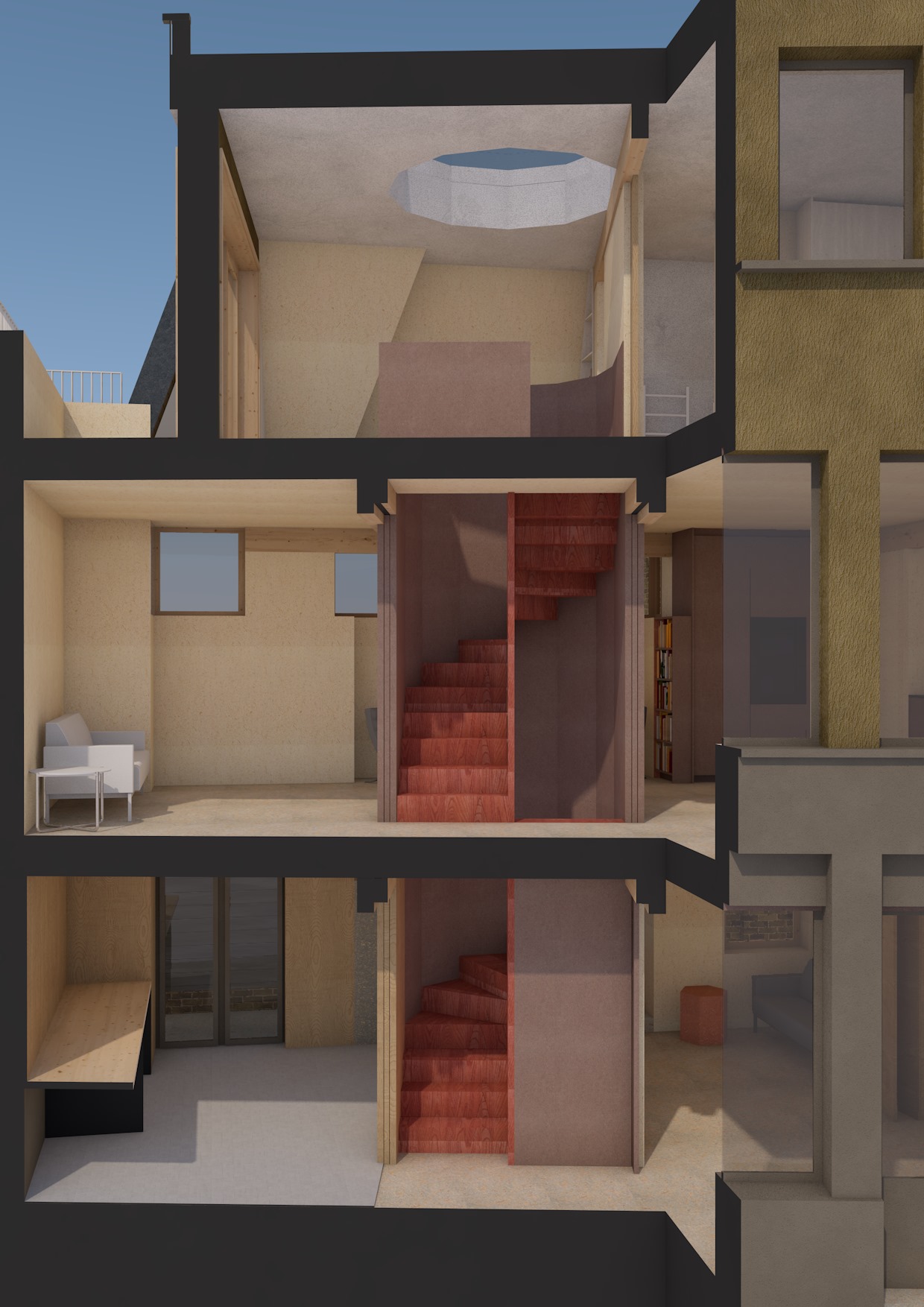
Unlock Hidden Value: Turn Your London Plot into a Profitable Development
Do you own a large garden, a disused garage, or a forgotten corner of land? In London—where every square metre counts—your property may hold far more potential than you think.
With the right architectural design and planning strategy, even a small or awkward space can be transformed into a new home, a rental property, or a valuable long-term investment.
As architects in London, we help homeowners and small developers unlock the hidden value of their land through small and medium scale residential developments. Here’s how we do it.
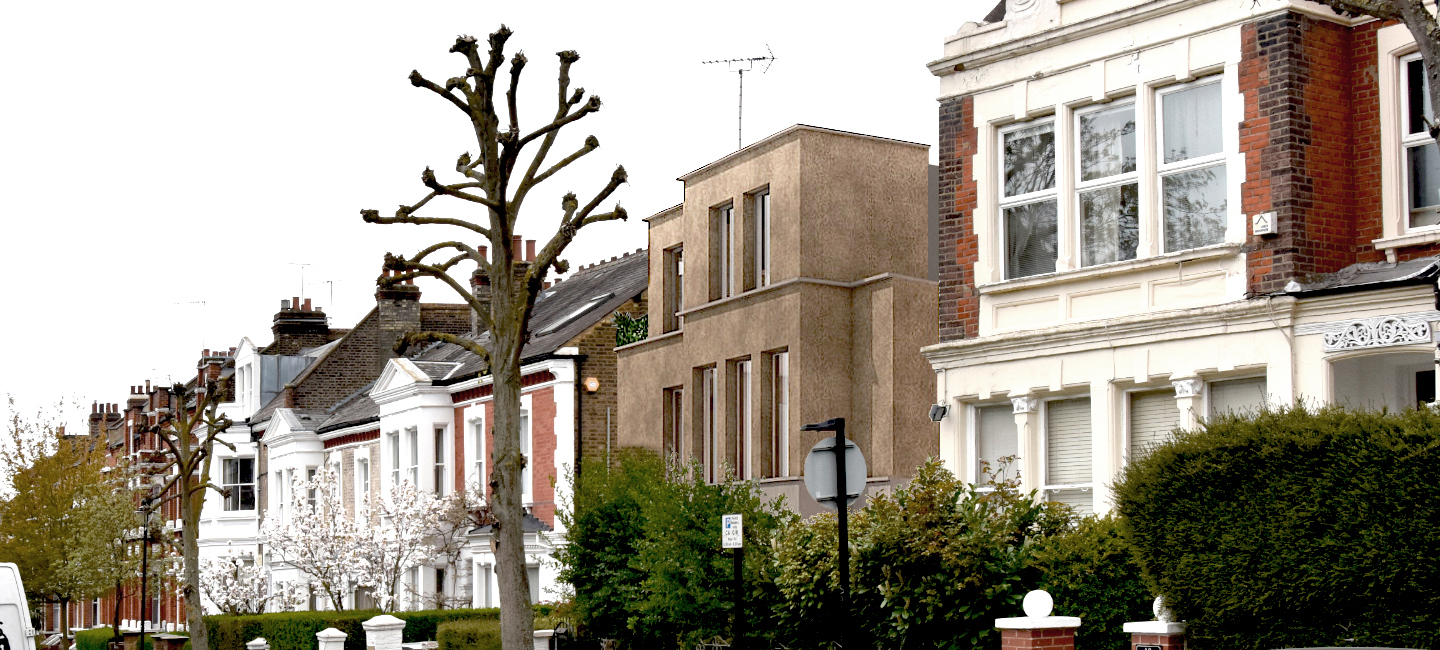
Unlock the Potential of Your Land
You might be surprised at what’s possible. Many backland development sites, gardens, side plots, and unused garages can be sensitively developed with the right approach. With thoughtful design and intelligent planning applications, you can unlock the value of underused land.
We are experienced in working within the urban context of London and its surrounding areas, but with backgrounds from Norway and Japan, we often see things differently and identify opportunities where others may not. And our years of teaching architectural design at universities have taught us that constraints often drive innovation.
Where others see problems that they would rather not engage with, we see opportunities for new and distinctive contemporary housing design. Whether your site is narrow, sloping, or hidden behind your home, we can find inventive solutions that unlock the property’s true value. Our approach combines creativity, technical expertise, and persistence – it’s not magic, just keeping an open mind to opportunity and a rigorous approach to testing possibilities.
Depending on your goals, we can help you:
• Create a modern garden studio, guest house, or rental unit.
• Subdivide and sell part of your land with planning permission in place.
• Develop the site yourself with full professional guidance from concept to completion.
While you can sell land without planning permission, securing consent first often increases its value significantly. It also gives you control over what gets built next to your home.
What Are Some Typical Types of Development?
There are several types of residential development opportunities commonly found in urban areas. We describe some of these below, along with key challenges and opportunities to consider.
Your site may be unique and not fit neatly into any of these categories. This is only a guide, and it’s always advisable to seek professional architectural advice so your specific situation can be considered on its own merits.
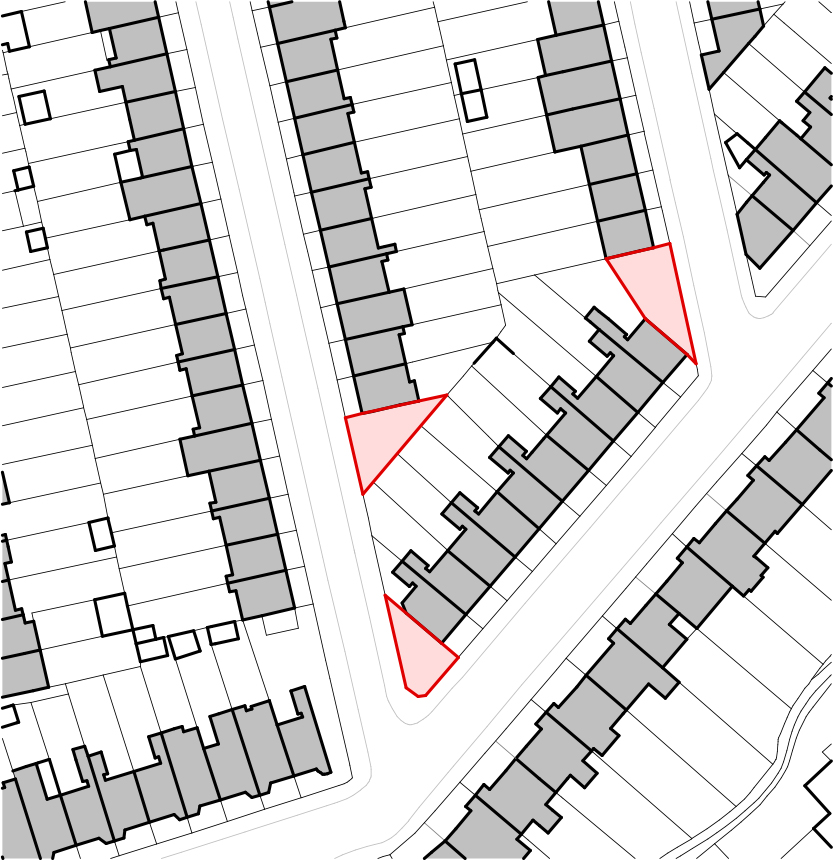
Side Plot Development for End-of-Terrace
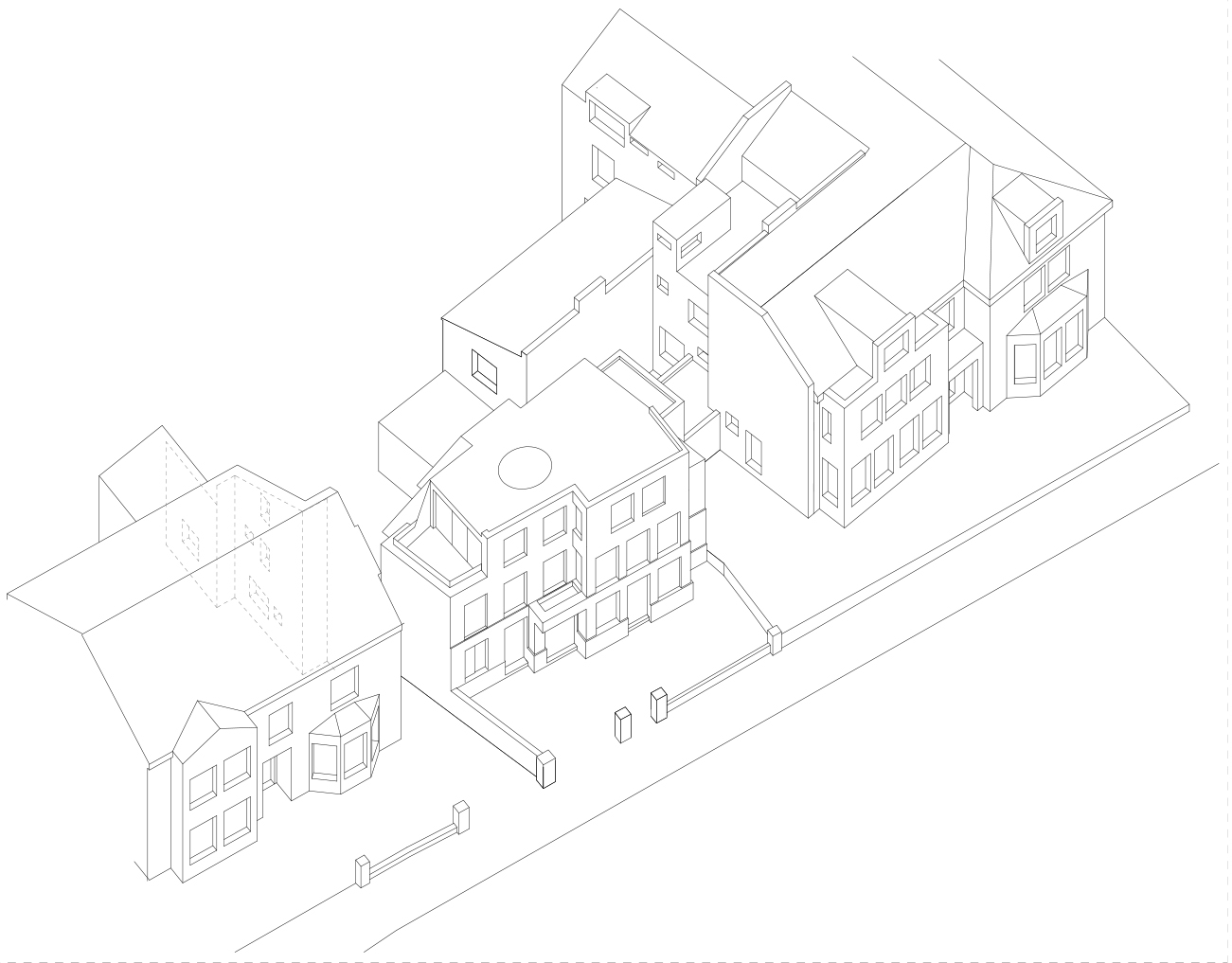
You may have a piece of land to the side of your property. It may be a corner plot as shown on the right, or it may be a gap within a row of houses.
These plots often have awkward shapes, which may be why they were left undeveloped when the original terrace was built. They therefore require a carefully considered architectural design to create comfortable and efficient internal spaces.
They are often shallow, so particular attention must be given to providing sufficient outdoor amenity for future occupants. Private external space, such as a garden or terrace, is a planning requirement.
The flank or party wall will usually need to be fully enclosed. If there are existing windows on this wall, they may need to be removed for the new development. This can affect the daylight levels in the existing property and may raise rights of light considerations.
On the positive side, these plots benefit from direct access to the road, which simplifies access for residents, new services, and the construction process.
Backland Development of Internal Plot
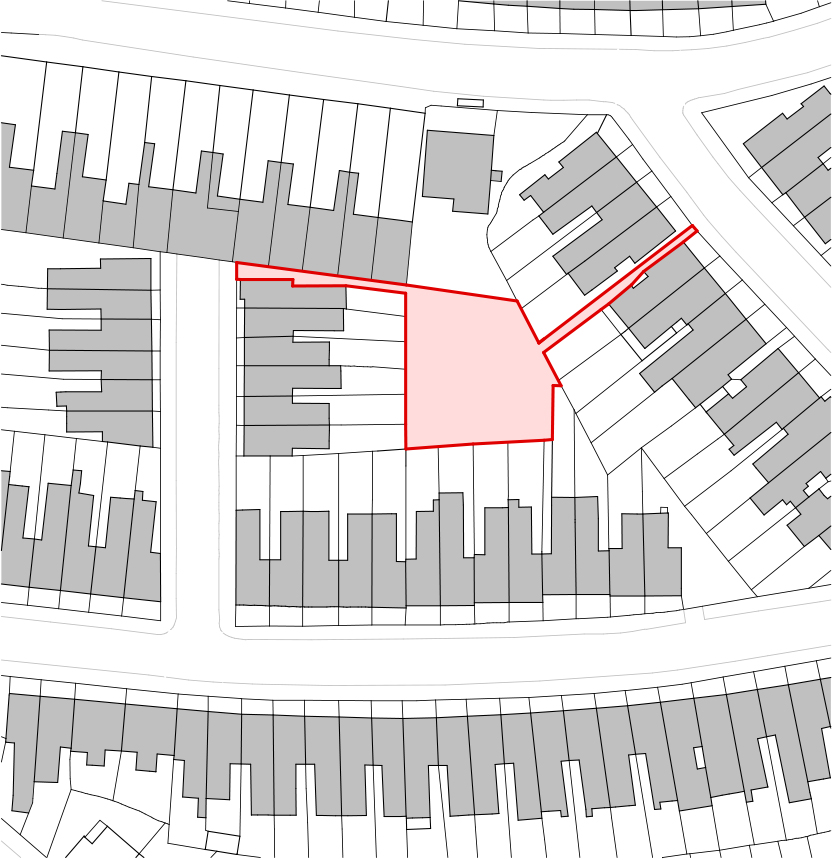
Sometimes a piece of land can be found at the rear of an urban block, as shown on the map on the left.
These plots are often larger, and therefore may have the potential for several buildings, or a block of flats. However, there are also some common problems.
The first consideration is access. As the plot is usually landlocked, gaining access may be difficult. Beyond access for future residents, other factors must be addressed: how the contractor will deliver materials and equipment, how the site will connect to sewers and other services, and how emergency vehicles can reach it in the event of a fire.
With so many adjoining neighbours, it’s important to carefully consider the size and volume of any proposed backland housing avoid creating an overbearing structure, blocking daylight, or overlooking adjacent properties.
These sites can also incur significant costs in party wall agreements, as separate awards might be required for most or all of the adjoining owners.
Garden Development With Separate Access
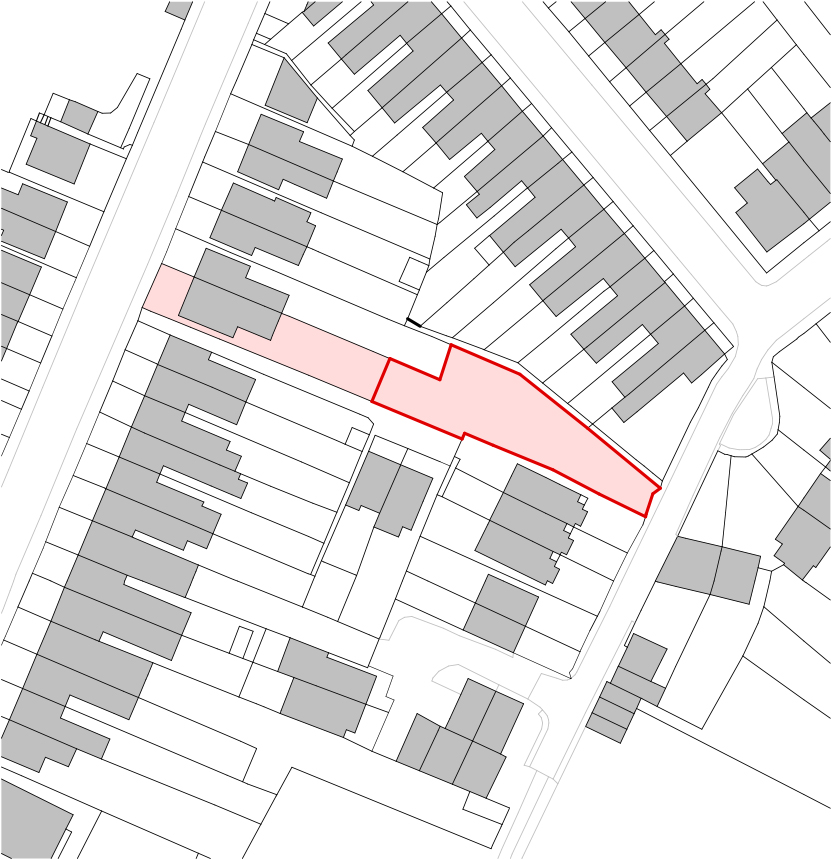
Properties with large gardens can sometimes accommodate a new garden plot development by partitioning off part of the land. The map here shows a garden plot with a separate access road running along the rear. For end-of-terrace houses with large gardens, access may be possible via a side road instead.
It’s not possible to give a definitive answer on how large a garden must be for this to work. However, consider that the footprint of a small terraced house is typically around 70 m². In addition, you’ll need space for private outdoor amenity, bin storage, and usually car or cycle parking, depending on local authority policies.
Garden Development Without Separate Access
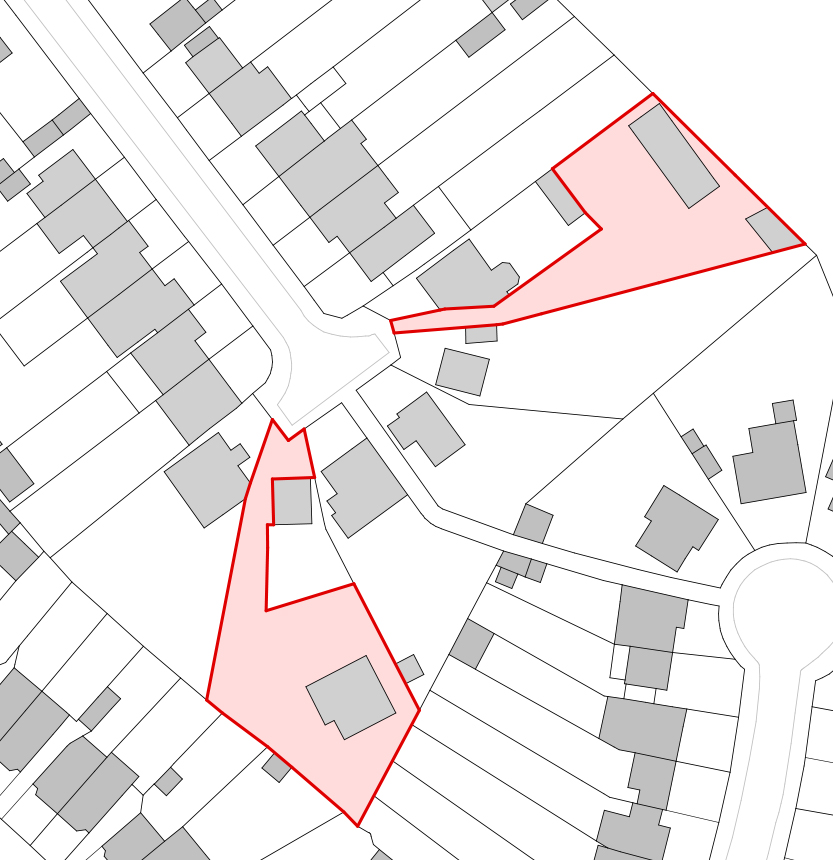
Many larger gardens are ‘landlocked’, with access possible only from the front.
These backland garden plots require additional space to accommodate a suitable access route.
Design That Respects Your Home and the Character of the Neighbourhood
Good design should enhance and complement what already exists. A successful development takes visual cues from its context, maintaining appropriate scale and proportions while engaging in dialogue with its surroundings. We prioritise functionality, natural light and ventilation, and a strong connection between inside and out. The new structure should be contemporary yet balanced and respectful of its setting.
When we design we ensure:
• Elegant, efficient design that complements your existing property and the context.
• Planning strategies that maximise approval chances and meet local policies.
• Sustainable, low-impact materials and construction methods.
• Complete architectural design services from feasibility to final handover.
Every proposal must work for you, satisfy your neighbours, and meet the local planning authority’s requirements.
Why Now Could Be a Good Time to Act

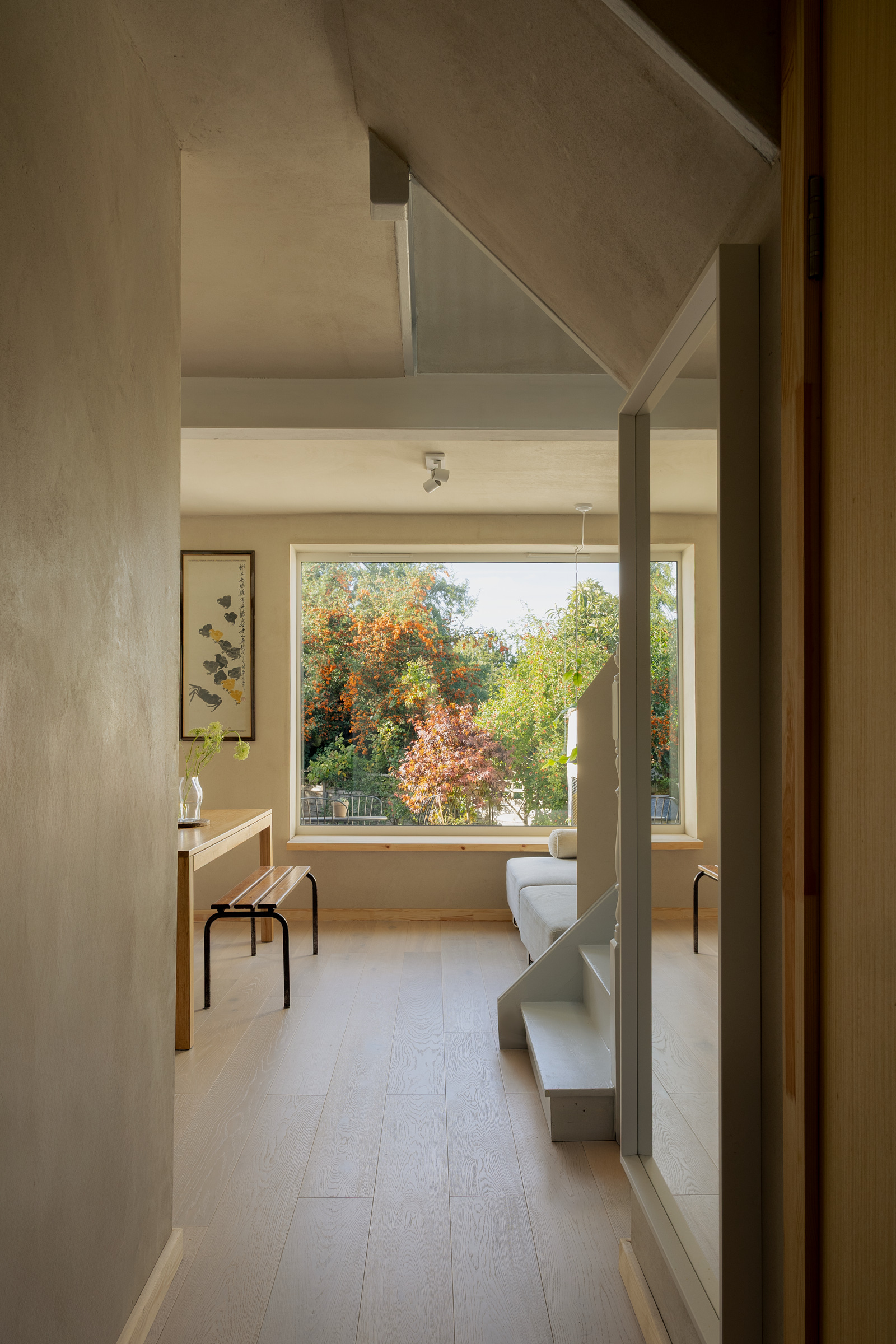
London’s housing demand remains strong, and councils are increasingly open to well-designed small-scale housing developments that make better use of existing land. With the current government’s commitment to building 1.5 million new homes in five years, infill and backland sites, are now seen increasingly as valuable opportunities.
Even a modest garden site can offer major potential, whether you want to:
• Sell your land with planning permission for maximum value,
• Partner with a developer through a joint venture for a share of the profits, or
• Oversee your own build with expert guidance at every stage.
From Concept to Completion – We Help You Make The Right Decisions
It may begin as a way to unlock value, but it could lead to creating a new home for yourself while selling your existing one.
Every site is unique. Some have access constraints, sensitive neighbours, or complex planning policies – but with careful analysis and creative problem-solving, hidden opportunities can be uncovered.
Once we’ve assessed your site’s potential, we’ll develop a clear proposal aligned with local planning policy to give you the best chance of success. From feasibility studies and planning applications to technical design and construction management, we can guide you through the entire process.
Discover the Potential in Your Land
If you own a property with a large garden, disused outbuilding, or underused plot, you could be sitting on untapped value. Every site is different, so contact us today to arrange a free architectural consultation. We will help you find out what’s possible and maybe turn your unused space into something truly valuable.